Hormonal Modifications And Urinary Incontinence In Ladies
Is Bladder Leak A Sign Of Perimenopause?
Sometimes, a pee evaluation or biopsy is needed to rule out infections or various other reasons. Adrenal hormones, such as cortisol and adrenaline, react to tension and influence urinary system function by affecting nerve signals to the bladder. Identifying the link between hormone changes and urological wellness enables far better prevention and management of related conditions. Insight right into hormonal results gives a more clear course to keeping total urinary wellness throughout life. Get professional look after urinary incontinence and pelvic flooring conditions.For several females, straightforward daily behavior changes can help reduce bladder leakage and improve bladder control. Way of living adjustments are commonly one of the initial therapy comes close to recommended for light to modest urinary incontinence. As estrogen degrees decrease with age or menopause, the tissues around the bladder and urethra may end up being slim, completely dry, or less versatile, lowering the urethra's capability to remain totally shut.

What Foods And Drinks Can Irritate The Bladder And Make Leakages Even Worse?
Pelvic body organ prolapse (such as gone down bladder, uterine prolapse, or rectocele) can contribute to incontinence. Integrating targeted exercises can aid boost symptoms, especially when done consistently and properly. Vaginal atrophy goes by many names, consisting of genitourinary syndrome of menopause and atrophic vaginitis. Despite the name, genital degeneration occurs when the wall surfaces of the vagina come to be slim, dry, and swollen. Your doctor may recommend a number of different therapy options depending on the extent of your condition, and what type of urinary incontinence you have.
Hormone modifications have a direct impact on urological wellness in both males and females. These changes influence the bladder, prostate, and urinary patterns by influencing muscle toughness, nerve level of sensitivity, and organ feature. When hormones like testosterone, estrogen, and others end up being imbalanced, they can result in concerns such as over active bladder symptoms, bladder control issues, and changes in prostate wellness. Nonetheless, the appropriate therapy depends on the specifics of your situations, so it's important to collaborate with your physician to figure out what jobs best for you.When Is It Time To Look For Medical Help To Assist With Conception?
While you might see the initial signs during perimenopause, postmenopause is the moment when urinary incontinence often becomes even more obvious, much more persistent, and most likely to call for energetic monitoring. Obviously, as you age, various other points can create urinary incontinence. Allow's speak about what else might be happening and after that locate some effective ways to handle it. The bladder is a balloon like muscular tissue that broadens as it fills with urine. In time, the bladder sheds tone and it comes to be tougher to clear the bladder totally.This, in turn, makes the leakage of urine more likely during tasks like coughing, sneezing, giggling, or exercising. Still, without some kind of intervention-- whether that's way of living adjustments, pelvic flooring therapy, or clinical assistance-- incontinence generally doesn't improve on its own. With the appropriate assistance, you can enhance symptoms and safeguard your lasting bladder health. You can do this by raising the quantity your bladder can hold and the time between visits to pass urine. To educate your bladder, you require to consistently acquire pelvic floor muscle mass (Kegel) at the time of need to pee. While urinary incontinence is an usual problem, it's not one that need to be thought about typical.
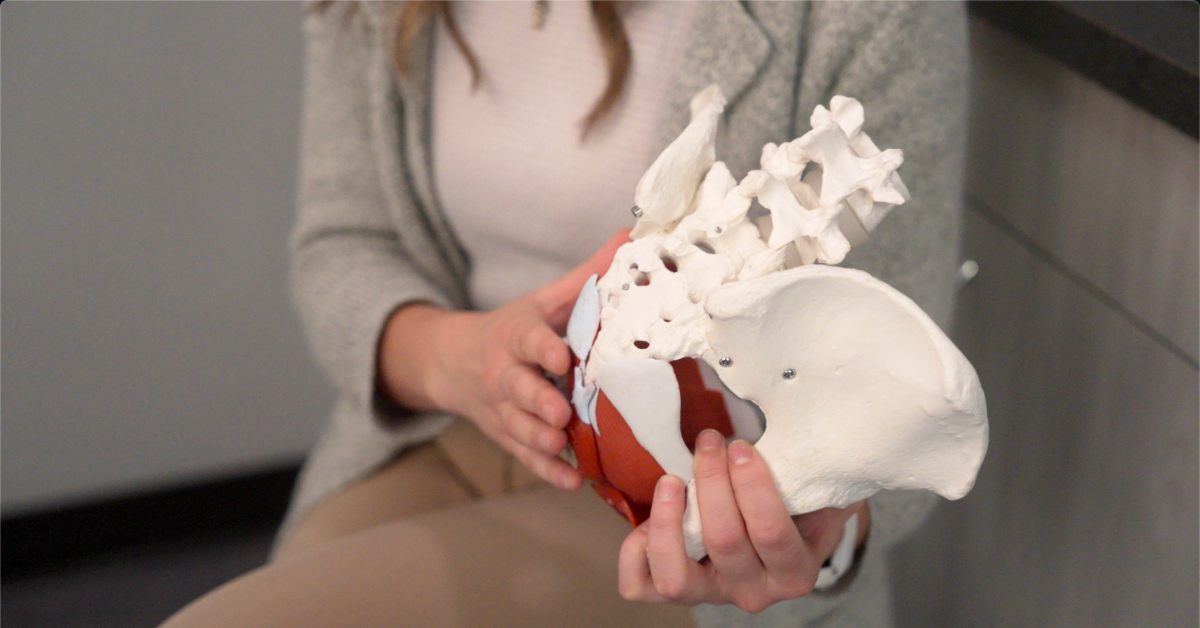
These changes can additionally indicate underlying medical problems that require attention. However changes in urinary system system feature that usually feature aging, such as urinary incontinence and urinary tract infections, don't need to be. Clinical therapies, including those that involve delivering estrogen vaginally, have been shown to prevent repeat UTIs in postmenopausal females. These exercises reinforce the pelvic floor muscles, which provide support to the bladder and womb.
- It appears you are making use of an internet browser that is no longer supported or obtaining updates.
- For that reason, UI is a lot more usual in females who are expectant, delivering, or undergoing menopause.
- The majority of the time this involuntary leak is a few decreases of pee, yet it can come to be a full loss of control.